Community
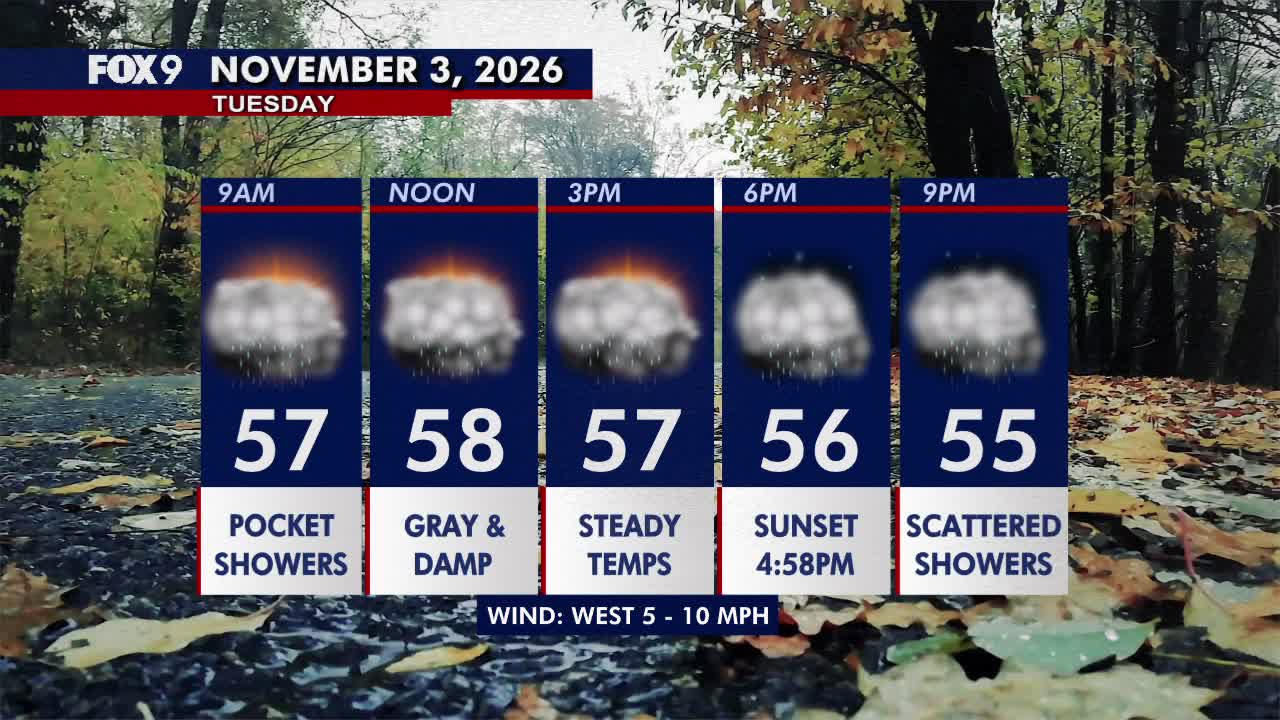
Minnesota weather: More gray with rounds of rain on Election Day
By Marcus Chen
Advertisement · Why this ad?
Katherine oversees editorial operations across all six brands. Before joining The Meridan Group, she spent 14 years at the Minneapolis Star Tribune, where she led the metro desk through its digital transformation. She holds a Master's in Journalism from Northwestern's Medill School.
More from Katherine →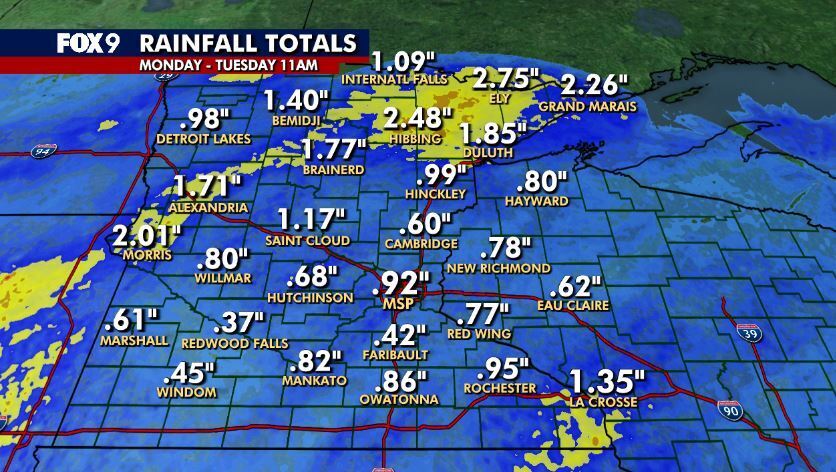
As the sun dipped below the horizon on Monday evening, residents across Minnesota braced for the arrival of a weather system that would bring significant rain to the state. In the Twin Cities, families prepared for a cozy night indoors, while in the northern regions, the anticipation of heavy downpours was met with both concern and appreciation for the much-needed moisture. By Tuesday morning, the impact of the rainfall was evident, with roads glistening and streams swelling, marking a dramatic start to November.
Waves of rain swept across Minnesota from Monday into Tuesday, delivering substantial precipitation to many areas. The bulk of the rainfall arrived during the day on Monday, with northern Minnesota experiencing the brunt of the storm. According to the latest reports from FOX 9 meteorologist Cody Matz, parts of northern Minnesota received over 2 inches of rain, while the Twin Cities metropolitan area recorded nearly an inch.
As of Tuesday morning, rainfall totals indicated that Ely received 2.75 inches, Hibbing 2.48 inches, and Grand Marais 2.26 inches. The state was poised for additional rain, with forecasts suggesting another half inch to 1.5 inches could fall through Wednesday. This weather pattern, while disruptive, is vital for replenishing local water supplies and supporting agriculture in the region.
The statewide rainfall totals from Monday through 11 a.m. Tuesday reveal the extent of the storm's impact. Key figures include Morris at 2.01 inches, Duluth at 1.85 inches, and Brainerd at 1.77 inches. Even in the Twin Cities, rainfall was significant, with Minneapolis recording 1.01 inches and surrounding areas like Edina and Eagan close behind with 0.98 and 0.97 inches, respectively.
This level of precipitation is not only crucial for the ecosystem but also serves as a reminder of Minnesota's diverse weather patterns. As the state transitions from autumn to winter, these rains help to saturate the ground before the freeze sets in, ensuring that reservoirs and aquifers are adequately filled. The community's resilience in the face of changing weather patterns is a testament to their commitment to sustainable living.
In a remarkable twist, several northern Minnesota cities shattered daily rainfall records on November 2. Hibbing, for instance, recorded 2.18 inches, surpassing its previous record of 0.53 inches set in 1992. Duluth also made headlines by achieving a new daily rainfall record of 1.48 inches, eclipsing the prior record of 1.22 inches set in 1961. International Falls joined the ranks of record-breakers with 1.05 inches, breaking its earlier record of 0.62 inches established in 2000.
These records highlight the increasing variability in weather patterns and the importance of monitoring and adapting to climate changes. While some may view heavy rainfall as a nuisance, it serves a greater purpose in maintaining the delicate balance of Minnesota's ecosystems.
As the rain continued to fall, residents shared their thoughts and experiences on social media, expressing a mix of gratitude and concern. Many families welcomed the opportunity to stay cozy indoors, enjoying hot drinks and family time as the rain pattered against their windows. Others voiced concerns about potential flooding, particularly in low-lying areas.
Local officials and community leaders urged residents to stay informed about weather updates and to prepare for any potential flooding. The Minnesota Department of Natural Resources (DNR) emphasized the importance of safety during such weather events, reminding residents to avoid driving through flooded areas. Community centers and local organizations mobilized to provide assistance to those in need, showcasing the strength of communal bonds during challenging times.
In Minneapolis, community members took to social media platforms to share their experiences, with many posting photos of the rain-soaked streets and local parks. “It’s beautiful to see the rain, but I hope it doesn’t cause too much trouble for the neighborhoods,” said local resident Sarah Johnson. “We need the moisture, but I worry about my friends who live in areas that are prone to flooding.”
As the rain subsides, Minnesotans can expect drier conditions to return by Thursday. This shift will provide a much-needed respite for residents and allow for the cleanup of any water-related issues that may have arisen during the storm. The forecast indicates a gradual warming trend, which is typical for this time of year as the state prepares for the colder months ahead.
While the immediate focus is on the aftermath of the rainfall, it is essential to consider the long-term implications of such weather patterns. The state’s agricultural community, in particular, will benefit from the moisture as they prepare for the upcoming planting season. Farmers are keenly aware of the balance needed between adequate rainfall and the potential for flooding, making this weather event a double-edged sword.
Local farmers, like Tom Anderson from the Brainerd area, expressed their thoughts on the rainfall. “We definitely need this rain to replenish our soil moisture, but we’re always cautious about too much at once,” he noted. “It can be a fine line between a good soaking and flooding.” The agricultural community’s adaptability and knowledge play a critical role in navigating the challenges posed by fluctuating weather conditions.
For those looking to stay informed about weather conditions and safety resources, several local agencies provide real-time updates and assistance. The National Weather Service offers detailed forecasts and alerts, while the Minnesota Department of Natural Resources provides information on water safety and flood preparedness.
Additionally, local news outlets and community organizations are valuable resources for residents seeking information on how to respond to weather-related challenges. Community centers often serve as hubs for information and support, ensuring that residents are connected and informed. Local emergency services have also been preparing for potential flooding, with sandbag stations set up in vulnerable areas to help mitigate any damage.
As Minnesotans navigate the aftermath of this storm, the community's resilience and commitment to one another will undoubtedly shine through. The ability of families to come together, support one another, and adapt to changing conditions is a hallmark of the Minnesota spirit. Community members have been known to rally together during such events, offering assistance to neighbors and sharing resources to ensure everyone's safety and well-being.
By Marcus Chen

By Katherine Langford

By Katherine Langford

By Katherine Langford