Sports
Twin Cities Election Day weather marked by scattered showers, highs in the 60s
By Katherine Langford
Advertisement · Why this ad?
Marcus manages the day-to-day editorial workflow across all brands, coordinating coverage assignments and ensuring editorial standards are met. He previously served as city editor at the Pioneer Press and holds a degree in Political Science from Carleton College.
More from Marcus →
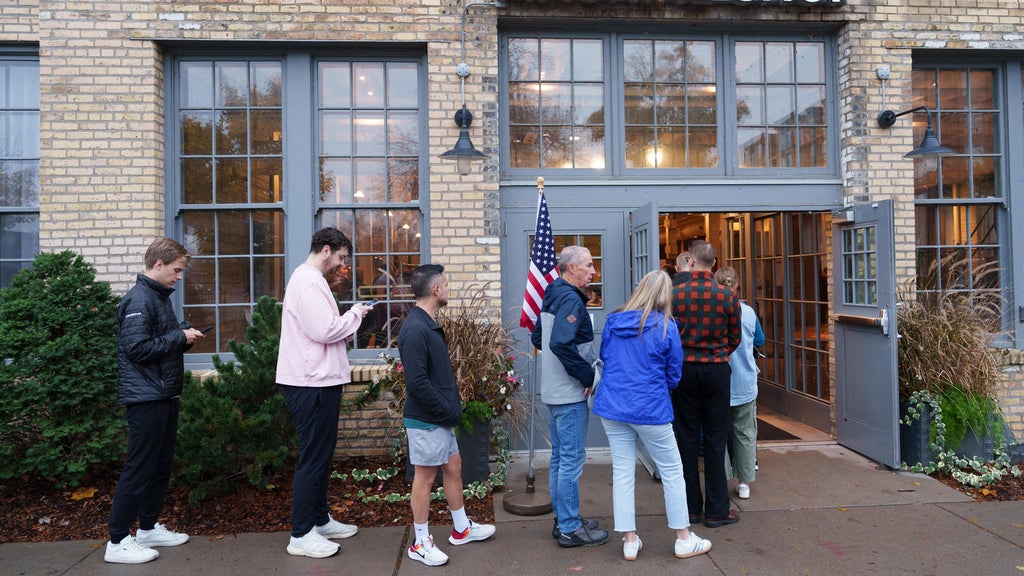
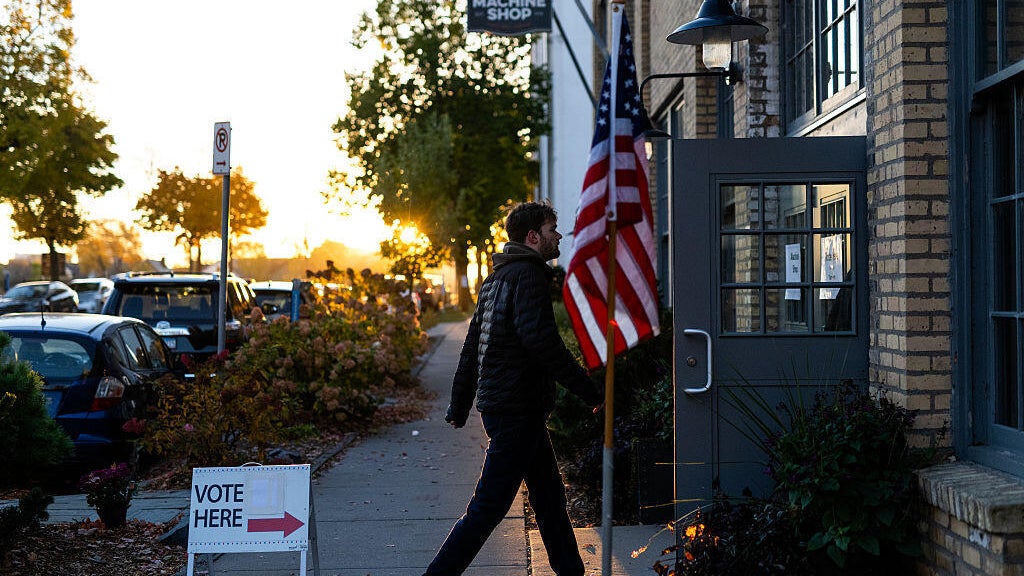
As the sun rose over Wisconsin on election day, voters lined up outside polling places, anxious to cast their ballots in the crucial 2026 midterm elections. For many, this was not just a civic duty but a chance to shape the future of their communities. The stakes were high, with key races for governor, attorney general, and congressional seats drawing attention from both sides of the aisle.
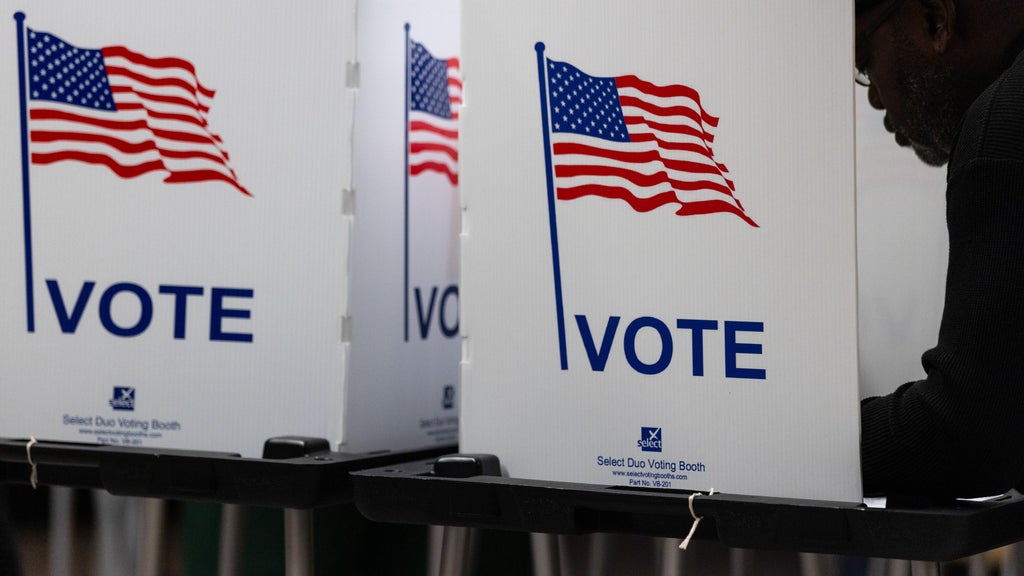
On Tuesday, Wisconsin residents participated in the 2026 midterm elections, with early voting options available to ensure maximum turnout. Polls opened at 7 a.m. and closed at 8 p.m., allowing residents ample time to make their voices heard. The elections featured critical races, including the governor's seat, attorney general, and secretary of state, alongside congressional races spanning Districts 1-8.
As results began to trickle in, the atmosphere was charged with excitement and anticipation. Many voters expressed their hopes for change, while others were focused on maintaining the status quo. The tight races were expected to reflect the political landscape of the state, which has been a battleground for years.
The governor's race was particularly heated, with incumbent Governor Tony Evers facing off against Republican challenger Tim Michels. Evers, who has been in office since 2019, campaigned on his record of addressing healthcare and education issues, while Michels focused on economic recovery and public safety. Early reports indicated a close race, with both candidates having strong support in different regions of the state.
In the attorney general race, Democratic incumbent Josh Kaul was challenged by Republican candidate Eric Toney. Kaul's campaign focused on criminal justice reform and consumer protection, while Toney aimed to position himself as a tough-on-crime alternative. As the night progressed, results showed a competitive battle, with both candidates appealing to constituents' concerns about safety and justice.
The congressional races also drew significant attention, especially in Districts 1-8, where incumbents and challengers alike sought to secure their positions. In District 3, Democratic incumbent Ron Kind faced Republican challenger Rebecca Kleefisch. Early returns suggested a tight contest, reflecting the district's diverse demographics and shifting political landscape.
District 5, traditionally a Republican stronghold, saw a fierce challenge from Democratic candidate and local activist. The race highlighted issues such as healthcare, education, and economic opportunity, resonating with voters across party lines.
As results began to come in, community members gathered at local watch parties, eager to see how their votes would impact the future. In Milwaukee, a local café served as a hub for supporters of various candidates, where conversations buzzed about the implications of the election results. "This election is about our future," said local resident Maria Gonzalez, who expressed her excitement about the potential for change.
In rural areas, voters shared their concerns about economic stability and access to healthcare, emphasizing the importance of electing representatives who understand their struggles. Many expressed hope that their voices would be heard, regardless of the final outcomes.
Wisconsin is often viewed as a microcosm of national politics, and the outcomes of these elections could have far-reaching implications. The state has been pivotal in recent presidential elections, and the midterms are seen as a barometer for voter sentiment heading into 2026. Issues such as healthcare access, education funding, and economic recovery are paramount to voters, and how these races unfold may influence policies at both the state and national levels.
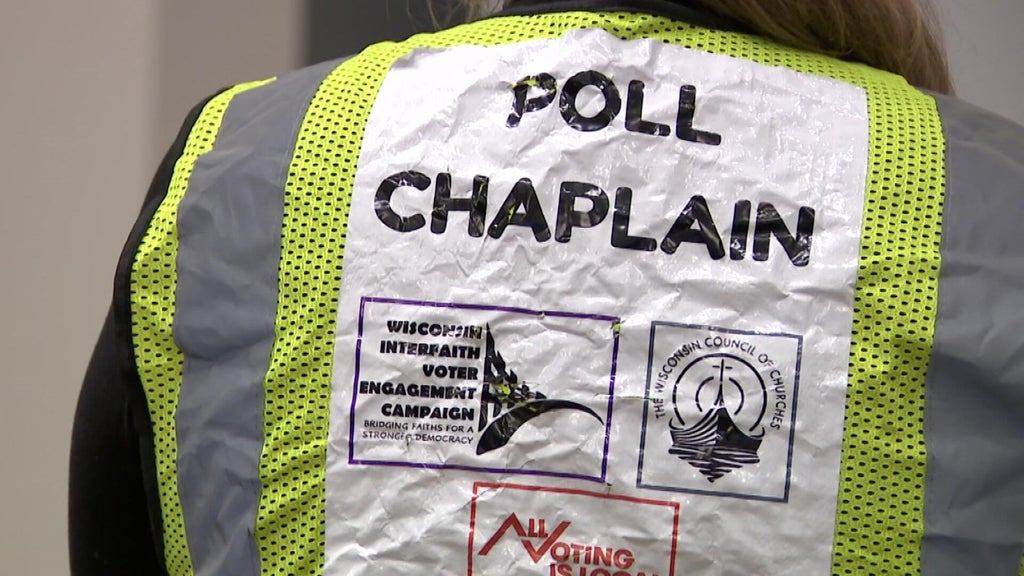
Local activist groups have been mobilizing for months, emphasizing the importance of voter turnout, especially among young voters and marginalized communities. Organizations like the Wisconsin Alliance for Women’s Health and the Wisconsin League of Women Voters have been at the forefront, hosting events and workshops to educate residents about the voting process and the significance of their participation.
With the polls now closed and results being finalized, attention turns to the implications of these elections for Wisconsin's future. The outcomes will not only shape state policies but also impact national conversations leading into the 2026 presidential election. Analysts predict that the results could signal trends for both parties as they prepare for upcoming contests.
As the dust settles, residents will continue to engage in discussions about the issues that matter most to them, from healthcare to education to economic development. The 2026 midterm elections have proven to be a pivotal moment for Wisconsin, reflecting the diverse voices and values of its residents.
In the aftermath of the election, the focus will shift to how elected officials will address the concerns raised during their campaigns. For many voters, the results will dictate the level of engagement they maintain with their representatives. Local leaders will need to prioritize transparency and community involvement to ensure that constituents feel heard and represented.
Moreover, the results may influence future legislative agendas. If Democrats maintain control, we may see a continuation of policies focused on healthcare expansion and education reform. Conversely, if Republicans gain ground, voters might anticipate shifts towards more conservative policies on issues such as taxation and public safety.
The impact of the midterm elections goes beyond just the immediate political landscape; it resonates deeply within Wisconsin's communities. Each election cycle serves as a reminder of the power of grassroots organizing. Local organizations, such as the Wisconsin Farmers Union and the Milwaukee Urban League, have been working tirelessly to ensure that the voices of their constituents are not only heard but also prioritized in the political discourse.
Community leaders like Sarah Johnson, a representative from the Wisconsin Farmers Union, emphasized the importance of agricultural issues in this election. "Rural communities are often overlooked, but our needs are just as critical. We need representatives who understand the challenges we face, from crop prices to healthcare access," she stated. This sentiment was echoed by many voters who felt that their specific concerns were finally being addressed.
The election results will also shape the future of civic engagement in Wisconsin. Many first-time voters expressed a newfound sense of empowerment. Young voters, particularly, have shown increased participation rates, driven by issues such as climate change and social justice. Organizations like NextGen Wisconsin have played a crucial role in mobilizing this demographic, hosting events that resonate with younger constituents.
"This is just the beginning for us," said college student and activist Emily Tran. "We are committed to holding our elected officials accountable and ensuring that our voices are part of the ongoing conversation about Wisconsin's future." This sentiment reflects a broader trend among younger voters, who are increasingly aware of the importance of civic engagement beyond election day.
As Wisconsin moves forward, the lessons learned from the 2026 midterms will undoubtedly shape the political landscape for years to come. The engagement seen in this election cycle signals a shift towards a more active and informed electorate, one that is ready to advocate for their needs and priorities.
Regardless of the outcomes, one thing is clear: the active participation of Wisconsin residents in the democratic process is crucial. As the state prepares for future elections, the lessons learned from the 2026 midterms will resonate for years to come, underscoring the importance of civic engagement in shaping the state’s future.
By Katherine Langford
By Marcus Chen
By Marcus Chen
By Katherine Langford